



End-to-end supply chain orchestration powered by AI
 Are you agile and efficient enough to handle the pressure?
Your supply chain is under pressure from all sides. Kinaxis helps you respond with unparalleled agility using supply chain orchestration, a new AI-powered process that coordinates all parts of your supply chain from end to end.
With orchestration, you can balance the most challenging demands - controlling costs, building resilience, driving efficiencies, and being sustainable - all in one place. As a result, you’ll transform your supply chain into a strategic driver for your business.
Powering the world’s most admired supply chains



ORCHESTRATE EVERYTHING
The superpowers you need to navigate today's realities

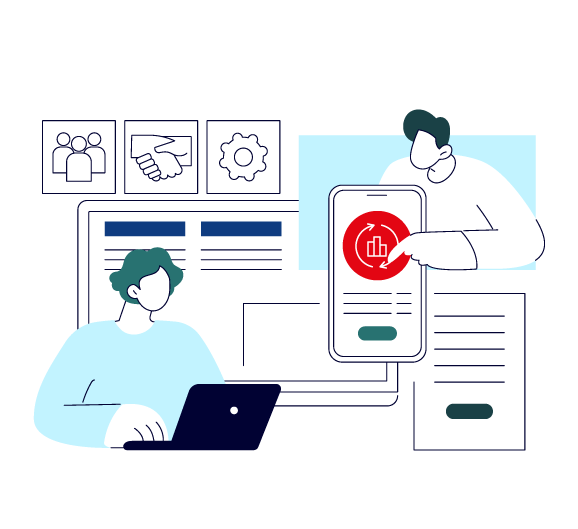
Rally your teams around a single, accurate, up-to-the-minute source of truth everyone can believe in.

Reduce the lag time between making a plan and implementing it for greater efficiency, lower operational costs, better communication, and reduced lead times.

Instantly understand the impact of any change on all upstream and downstream activities and make informed decisions faster.
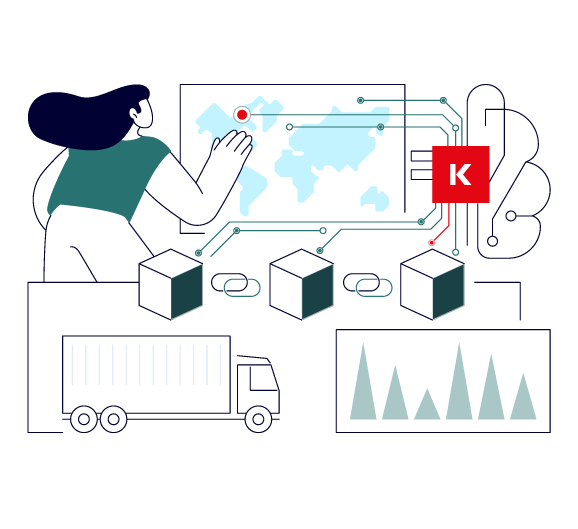

Leverage the best combination of AI, optimization, and heuristics to automate transactions from end to end.

Move quickly when the unexpected happens, so you can keep your supply chain moving.
A single platform for supply chain orchestration

Orchestrate and streamline orders across global locations and multi-enterprise business networks, with systems integration, as well as a seamless connection to a vast carrier network.

Quickly assess the impact of plan changes on your operations, so you can set financial targets, measure progress, identify gaps, and close them quickly.

Stay ahead of shifting customer desires by creating realistic, consensus-based demand plans and proactively monitoring and improving forecasts and order status.

Use the power of what-next scenarios, smart collaboration, and consequence analysis to manage constraints and ensure the efficient flow of materials.

Get deep insight into your current inventory position, cost, and policies and assess the impact on key metrics like period of supply and inventory quality ratio.

Make fast, confident scheduling decisions across the entire organization, regardless of plant layout, and easily turn plant-specific processes into measurable activity across the entire company.

Extend supply chain visibility across the full order lifecycle with automation and smart business rules that consider all constraints and service-level requirements.

Streamline and optimize your complex transportation operations with enhanced visibility and collaboration across the full order lifecycle.

Manage complex return order flows while improving network collaboration and asset utilization, reducing transportation costs and elevating customer satisfaction.
INDUSTRIES
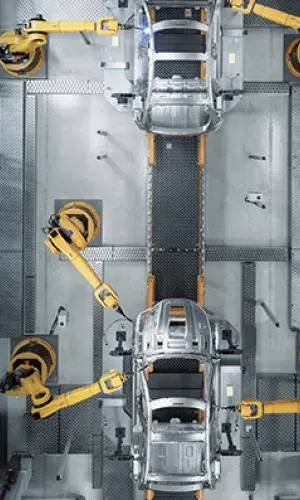
We enable supply chain excellence for your industry



Gartner positions Kinaxis furthest on vision and highest in execution


INNOVATION
Purposeful AI to deliver the perfect balance of speed, accuracy, and efficiency
Put your data to work through adaptive, automated, and orchestrated AI that lets you make more informed decisions faster.
Explore AI
See what others are saying

"We produce a car every 45 seconds. Where the supply chain can break is that it’s not all centered around a 5 kilometer radius. It’s a global supply chain with many parts and many suppliers.”

“We do more than 30 million orders per year. How do you capture data to put it into your forecasts? How do you convert those forecasts into a supply plan, then convert that supply plan into an execution plan, fulfillment, logistics, transport, warehousing, order management?”


We’ll help you harness the full potential of your supply chain
We’ll help you harness the full potential of your supply chain
