The supply chain of AI
What will it take to support an AI-driven future?
Artificial intelligence (AI) is emerging as the defining technology of our age, with the potential to transform the world we live in and the lives we live. But behind every AI breakthrough is a complex web of global operations that makes it all possible. From the extraction of raw materials to the delivery of finished products, effective supply chain orchestration is crucial for ensuring that existing and new AI technologies remain seamlessly woven into the fabric of our daily lives.
Picture this. You're in the middle of cooking dinner, halfway through a complicated recipe, and you suddenly realize you're out of a key ingredient. Instead of running to the store or ordering takeaway food, you pull out your phone and ask ChatGPT for a substitute. Within seconds, you have several options, along with tips on how to adjust your recipe. Panic over.
But when ChatGPT helps you save your evening meal, what you’re actually experiencing is the culmination of a vast and intricate global supply chain.
Starting with raw materials like rare earth metals and silicon, through the manufacturing of advanced hardware components, and the distribution of these technologies to data centers and end-user devices, the production, distribution, and integration of the cutting-edge technology that rescued your dinner represents an incredible journey from some of the world’s remotest locations to your smartphone.
There’s an algorithm for that
Love it or loathe it , AI is rapidly and irreversibly reshaping many of our everyday experiences.
You’ve likely heard about AI applications in education, healthcare, and transportation, and experienced firsthand personalized recommendations on platforms like Amazon, Netflix, or Spotify. But did you know companies like Disney and Kellogg’s are using AI-powered facial recognition to analyze audience emotions during movies or ads? Or that AI can now reconstruct images of what someone is looking at based on their brain activity? From the useful to the bizarre to the unsettling, AI is reshaping our world, pushing the boundaries of what technology can achieve—and raising important questions about its ethical implications.
It's also having a profound economic impact. According to PwC, AI could contribute up to $15.7 trillion to the global economy by 2030 - that’s more than the output of China and India combined!
$15.7 trillion
To realize this potential requires mind-boggling investments in infrastructure. OpenAI CEO, Sam Altman is reportedly seeking $5-$7 trillion to build a global network of chip factories to fuel the growth of artificial intelligence, while Microsoft and OpenAI are rumored to be investing £100 billion to build ‘Stargate’ - the world’s largest data center that is expected to rely on nuclear reactors to generate the 5GW of electricity needed to power the site's computers.
How AI gets built
Although the integration of AI into our daily lives may feel effortless, the production of AI hardware is a testament to the complexity and importance of supply chain management. A single high-performance AI chip could travel over 25,000 miles from initial raw material extraction to the final product delivery, requiring meticulous coordination across multiple countries and industries. Effective supply chain orchestration ensures that each stage, from silicon purification to chip fabrication, is completed smoothly, minimizing delays and ensuring high-quality outputs.
But, while AI conjures images of futuristic robots and slick technology, the story actually starts 4.4 billion years ago, deep within the earth’s crust.

Rare earth elements (REEs) like neodymium, praseodymium, and yttrium play a crucial role in manufacturing the high-performance hardware that AI relies on. These metals are essential for creating the strong permanent magnets used in electric motors and various electronic components critical for AI functionality.
Contrary to what the name suggests, REEs are abundant in the earth’s crust. The catch is that they come in low concentrations in other minerals, and even when found, they’re hard to separate. This makes their extraction both complex and resource-intensive, not to mention harmful to the environment. In China, which is responsible for approximately 90% of the REEs used in hi-tech applications, the mining process involves separating the REEs from other ores, often using acid leaching, which can lead to significant environmental degradation if not managed properly.
Ensuring a stable and ethical supply of these critical materials requires navigating environmental and geopolitical challenges. Companies and countries alike must orchestrate their efforts to balance demand with sustainable practices, reducing environmental impact and fostering a stable supply.
In contrast to rare earth elements, quartz sand – from which silicon is produced - is one of the most abundant and accessible elements on earth. Silicon chips are the brains behind AI algorithms, enabling the rapid processing of vast amounts of data.
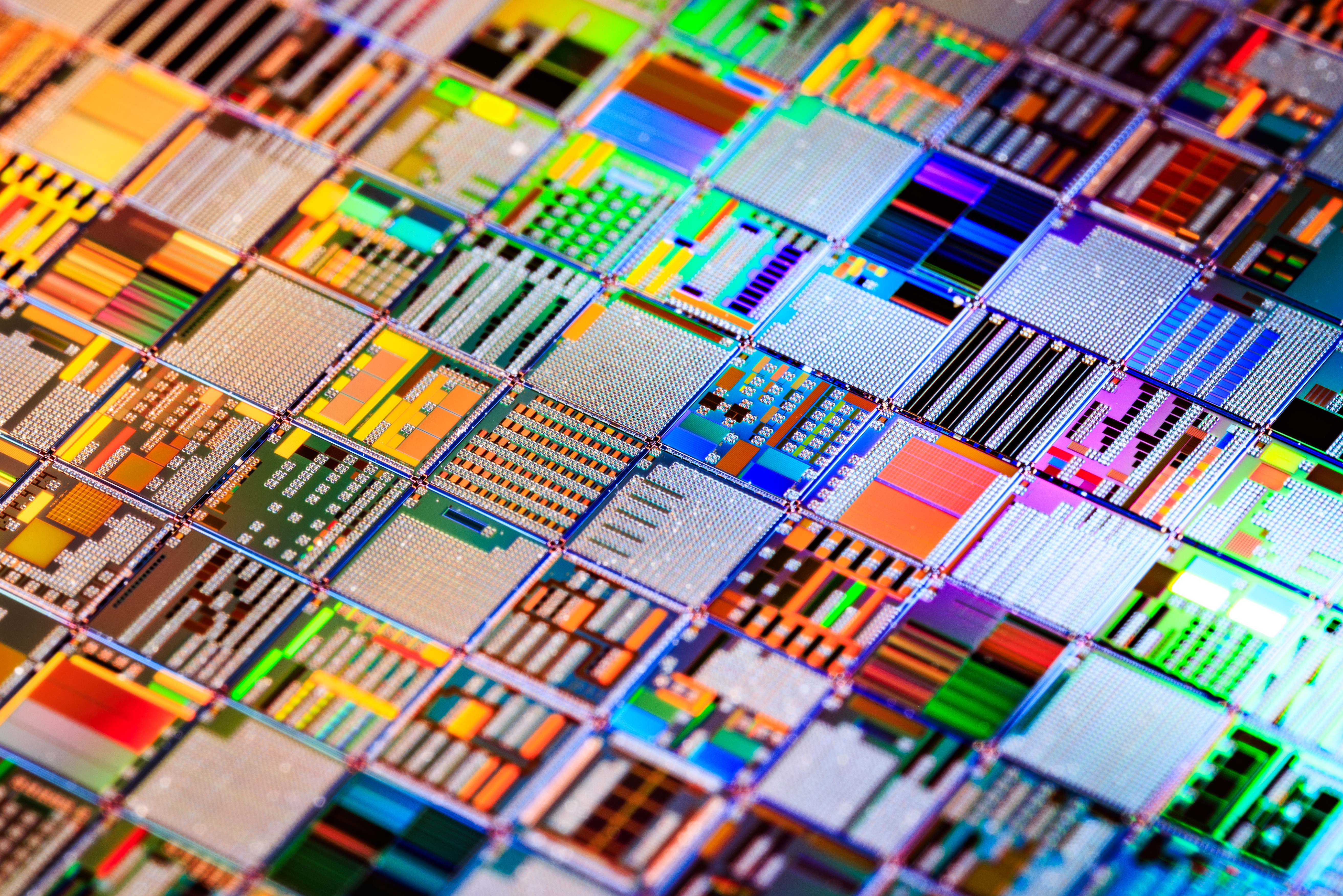
The transformation begins with quartz sand, which is purified to produce metallurgical-grade silicon. This then undergoes further purification processes to achieve semiconductor-grade purity – to function effectively in AI chips, it must reach a purity level of 99.9999999%. Then, through the Czochralski method, a single crystal silicon ingot is grown and sliced into thin wafers that undergo intricate photolithography processes, where patterns are etched onto them to create millions or billions of tiny electronic components, such as transistors and diodes. These patterns are so precise and tiny that if you were to blow up a single silicon chip to the size of a city block, the lines and features on the chip would still be narrower than the width of a human hair!
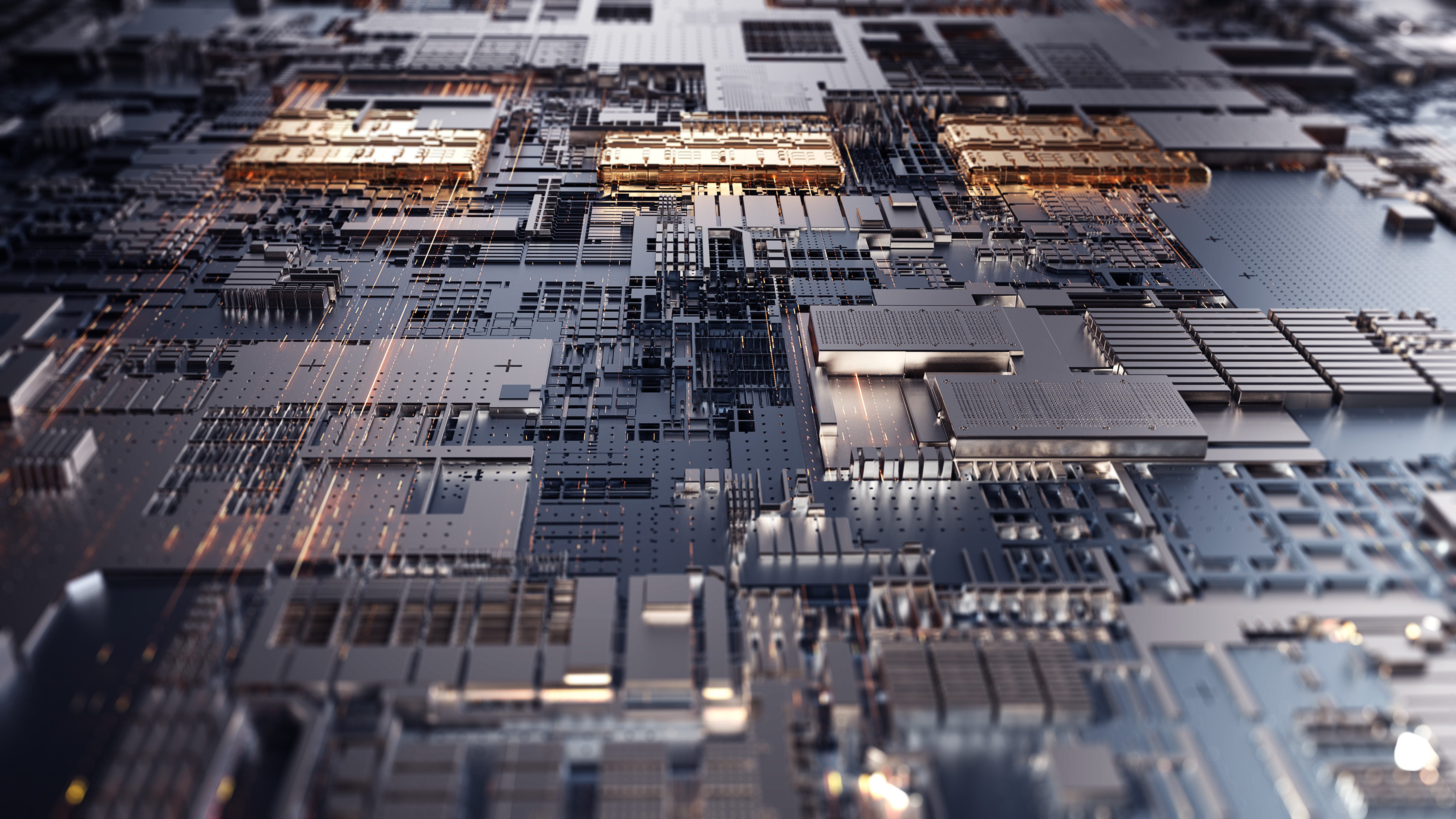
But when it comes to AI, not just any chip will do. Unlike traditional CPUs that may have 12-16 cores and are designed as general-purpose processors capable of handling a wide variety of tasks, the high-performance chips needed for AI computations often feature hundreds of thousands of cores and are designed specifically to accelerate machine learning (ML) and artificial intelligence (AI) tasks.
Thanks to the breakneck pace of AI adoption, these chips have become one of the hottest commodities on the market with soaring demand, supply chain complexity, and long lead times creating a worldwide shortage and sending prices through the roof.
NVIDIA, which dominates the high-performance GPU market, is feeling the pressure. In a recent interview with Fortune, NVIDIA CEO, Jensen Huang said that the shortage was making his customers – including Microsoft, Google, and Amazon - ‘tense and emotional’. It’s also forcing companies to place bets on where the chips they can secure will have the greatest impact. Elon Musk recently risked the ire of Tesla’s shareholders by allocating NVIDIA chips to his xAI training cluster, instead of training the carmaker’s self-driving software system.
AI chips are also a political hot potato with concerns over China’s growing influence in the semiconductor industry leading the Biden administration to ban the export of advanced AI chips. Given the geopolitical tensions and the increasing reliance on AI technology, protecting the supply chain of AI chips has become a national security priority.
Trade tensions and the AI supply chain: The 2025 landscape
The re-election of President Donald Trump in 2024 has ushered in a new era of trade policies, with significant implications for the global AI supply chain. In early 2025, sweeping tariffs were introduced, including a 145% tariff on Chinese imports, prompting China to retaliate with a 125% tariff on U.S. goods. The escalation triggered widespread disruption across industries—particularly in the technology and semiconductor sectors.
Recognizing the mounting economic strain, in May 2025, both countries agreed to a 90-day pause, temporarily reducing U.S. tariffs to 30% and Chinese tariffs to 10%. While this détente offers near-term relief, it underscores just how exposed global AI supply chains are to geopolitical decisions made half a world away.
In parallel, Chinese firms are doubling down on self-reliance, accelerating efforts to localize critical supply chains and reduce dependence on U.S. technologies. These moves align with the goals of China’s broader 'Made in China 2025' strategy, which aims to insulate high-tech sectors—especially AI—from future external shocks.
Meanwhile, the Trump administration has proposed rolling back certain Biden-era export restrictions on advanced chips to ease pressure on U.S. companies like NVIDIA. But the reprieve may be short-lived: experts warn that stricter regulations could soon replace existing rules, fueling further uncertainty.
For companies operating within the AI ecosystem, this shifting landscape makes one thing clear: resilience depends on proactive supply chain orchestration. Those that can scenario plan, model risk, and quickly pivot sourcing strategies will be far better equipped to thrive in a fragmented, fast-moving global market.
Why are companies putting data centers under the ocean?
Amidst these geopolitical challenges, companies are also grappling with how to manage the environmental and logistical demands of scaling AI—especially when it comes to data centers.
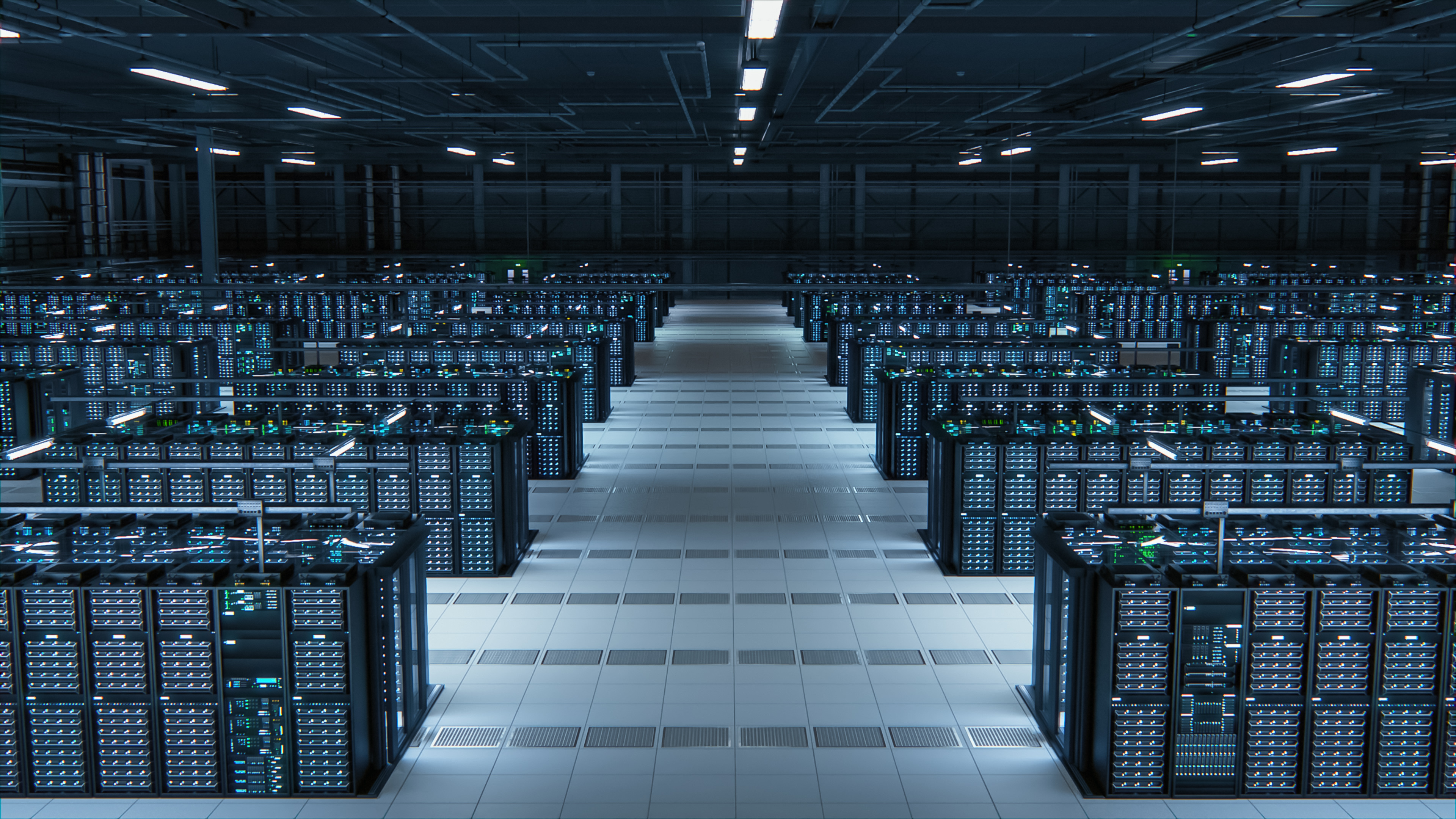
According to Goldman Sachs, processing a ChatGPT query requires nearly 10 times as much energy as a Google search. And a 2023 report from the International Energy Agency suggests that data centers could be using a total of 1,000 terawatts hours annually by 2026, roughly equivalent to the electricity consumption of Japan.
Such huge energy demands are prompting speculation that AI will spur a nuclear renaissance, with major players like Google and Amazon announcing investments in advanced nuclear energy, as part of their drive toward carbon-neutrality.

A significant portion of the energy used by AI is dedicated to data center cooling systems, which are crucial for maintaining optimal operating temperatures and preventing hardware failure.
A popular solution is to simply locate data centers in cold or windy climates. For example, a data center in Iceland is taking advantage of the country’s naturally cold climate and abundant geothermal energy to provide a green solution for cooling servers.
10x
Elsewhere, companies like Microsoft have experimented with underwater data centers (UDCs) to leverage the natural cooling properties of ocean water to improve reliability and reduce energy consumption. While Microsoft recently confirmed that it was no longer pursuing its UDC projects, in November 2023, Chinese data center operator, Highlander commissioned a 1,400-ton commercial data center submerged 35 meters off Hainan island coast, using the sea to cool its compute. According to Highlander, this single module can process more than four million high-definition images within 30 seconds, 'equivalent to 60,000 traditional computers working simultaneously.'
The company hopes to eventually deploy 100 such modules at the site, which it says would save 68,000 square meters of land, along with 122 million kilowatt-hours of electricity and 105,000 tons of freshwater per year.
Given its remarkable ability to analyze and optimize complex systems, it’s no surprise that AI itself is also being used to maximize data center efficiency and minimize environmental impact.
For example, Google and DeepMind have made significant strides in using AI to optimize data center cooling systems, reducing their energy consumption by up to 40%.
More recently, Seattle-based startup, Phaidra, raised an additional $12 million to further develop its AI control system that helps manage power consumption for mission-critical operations such as data centers. Its AI agent, known as Alfred, acts as a virtual plant operator, managing things like temperatures, pressures, and flow rates.
What goes around comes around
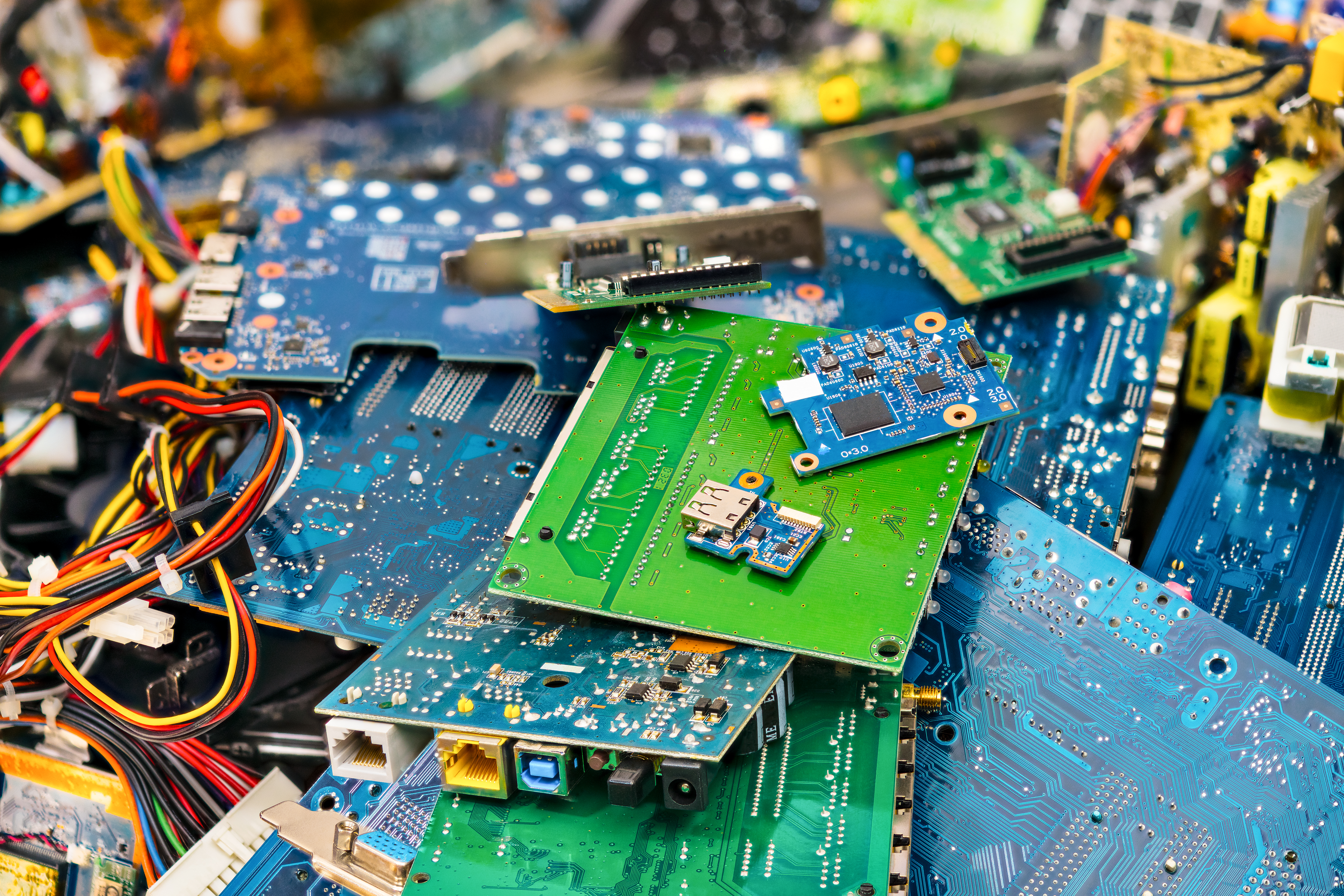
Beyond energy consumption, the AI supply chain generates considerable electronic waste (e-waste). If the AI boom continues, older chips and equipment could amount to extra electronic waste equivalent to throwing out 13 billion iPhones annually by 2030 according to a recent study by academics in China and Israel. The same study estimates that adopting circular economy strategies along the generative AI value chain could reduce e-waste generation by 16–86%.
Circular practices are also helping to minimize the impact of the rare earth mining process which, according to the Harvard International Review, yields 13kg of dust, 9,600-12,000 cubic meters of waste gas, 75 cubic meters of wastewater, and one ton of radioactive residue for every ton of rare earth produced. To mitigate these impacts, companies are increasingly investing in recycling rare earth metals from old electronics and other products. They’re also finding innovative ways to extract these elements from ores without the use of harmful chemicals. For example, phytomining involves growing plants that can accumulate rare earth elements from the soil. Once the plants are harvested, the metals are extracted from the biomass, providing a less invasive method compared to traditional mining.
The supply chain of AI is human
As concerns about AI replacing human jobs continue to grow, it’s important to remember that AI is fundamentally designed to augment human intelligence and capabilities. And while our lives without AI may feel like a distant memory, without humans, AI would cease to function.
The human supply chain of AI is a critical yet often overlooked component. Effective management of this workforce is essential for maintaining the ethical standards and efficiency of AI systems. Ensuring fair wages, job security, and humane working conditions is not only a moral obligation but also a key aspect of orchestrating a successful AI supply chain.
Behind every sophisticated AI application lies a considerable amount of manual labor. Workers across the globe spend countless hours labeling images, transcribing audio, and correcting machine-generated outputs to train AI models. These tasks, often performed by contractors in developing countries, are essential for teaching AI to recognize patterns and make decisions. For instance, platforms like Amazon Mechanical Turk and companies like Samasource employ thousands of people to provide the labeled data that AI systems need to learn. This workforce is indispensable; without them, AI would struggle to interpret the world correctly.
However, the human supply chain of AI is not without its challenges. Many of these workers face low pay, job insecurity, and repetitive, monotonous tasks. The ethical implications of this invisible labor force are significant. Companies relying on these workers must ensure fair wages, humane working conditions, and job security. The ethical training of AI systems also relies on these individuals making nuanced decisions about what content is appropriate, safe, and fair, which in turn shapes how AI interacts with the world.
In an increasingly AI-driven world, effective supply chain orchestration is no longer just a support function—it's the backbone of innovation, ensuring that the full potential of this transformative technology can be realized and sustained.
The intricate web of operations—from the sourcing of rare earth elements and delivering advanced AI hardware to minimizing environmental impacts across the end-to-end supply chain—underscores the critical importance of seamless coordination among suppliers, manufacturers, and technology firms.
While innovations such as underwater data centers and AI-driven optimization are contributing to a more sustainable AI infrastructure, supply chain vulnerabilities, exemplified by global shortages of critical components, reinforce the need for proactive orchestration to maintain stability and continuity in production.
Equally critical is the human element of the AI supply chain. The labor of countless individuals around the world, often in precarious conditions, is essential to training and refining AI systems. Recognizing and addressing the ethical implications of this invisible workforce is vital for the responsible development of AI technologies.
So, can supply chains actually support the AI revolution? The answer is yes, but with caveats. The successful advancement of AI depends not only on overcoming technical, logistical, and environmental hurdles but also on ensuring fair and humane treatment of the people who are integral to the process. From governments and regulators to mining companies and semiconductor manufacturers, this will require a collaborative effort amongst every actor in the AI supply chain.
As we face the complexities of building a sustainable, equitable, and resilient AI-driven future, one thing is clear: seamless supply chain orchestration is critical to success. Want to explore how advanced orchestration is shaping the supply chains of tomorrow? Discover more about the innovations optimizing this intricate network and driving the next wave of AI technology.
- PwC's Global Artificial Intelligence Study | PwC
- Sam Altman Seeks Trillions of Dollars to Reshape Business of Chips and AI | WSJ
- Microsoft's $100 billion 'Stargate' datacenter for OpenAI may be AI's 'Star Wars' moment | Fortune
- Clean energy supply chains vulnerabilities | Energy Technology Perspectives 2023 | IEA
- AI chip shortages continue, but there may be an end in sight | Computerworld
- Nvidia CEO Jensen Huang says AI chip shortage is making his customers tense and emotional | Fortune
- AI is poised to drive 160% increase in data center power demand | Goldman Sachs
- Global electricity demand rose moderately in 2023 but is set to grow faster through 2026 | Electricity 2024 | IEA
- Will AI’s huge energy demands spur a nuclear renaissance? | nature.com
- E-waste challenges of generative artificial intelligence | nature.com
- Not so “green” technology: The complicated legacy of rare earth mining | harvard.edu