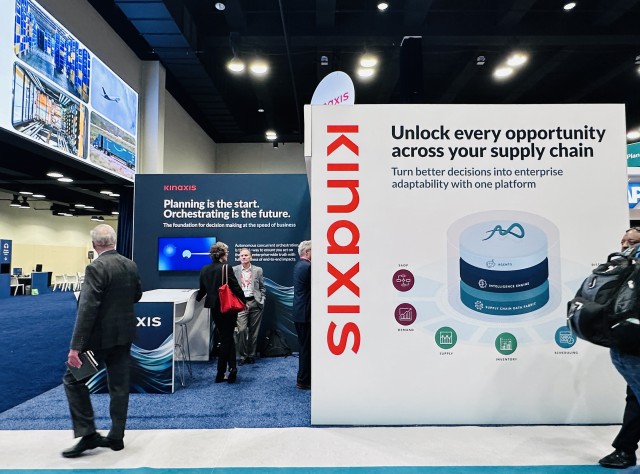
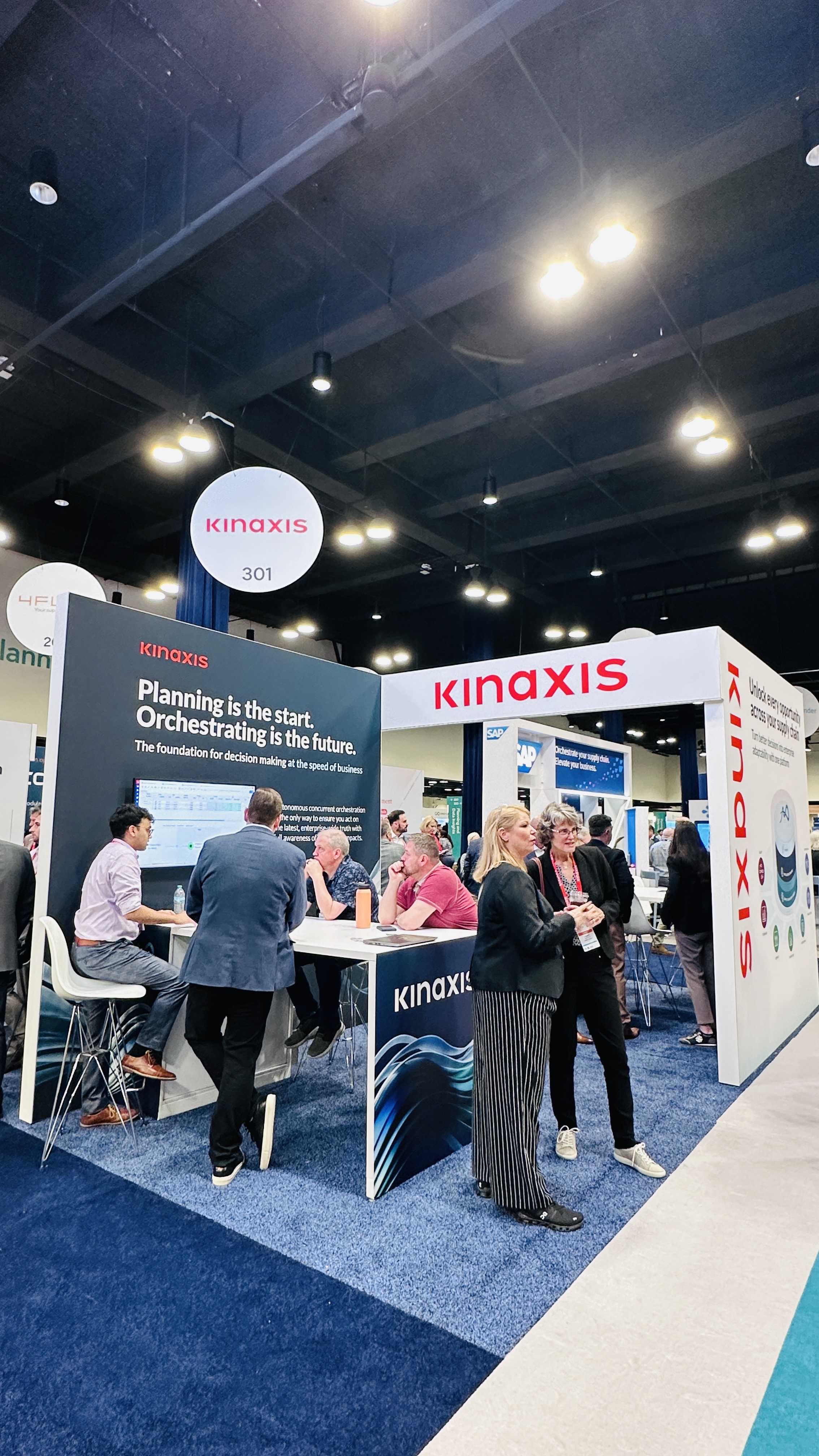
If you walked the show floor at Gartner Supply Chain Symposium/Xpo™ North America in Orlando last week, one thing became immediately clear: the conversations have changed.
Not long ago, they were about visibility. Then resilience. Then AI potential.
This year, they were about decisions. How fast you can make them? How confidently you can act on them? How do you ensure positive outcomes?
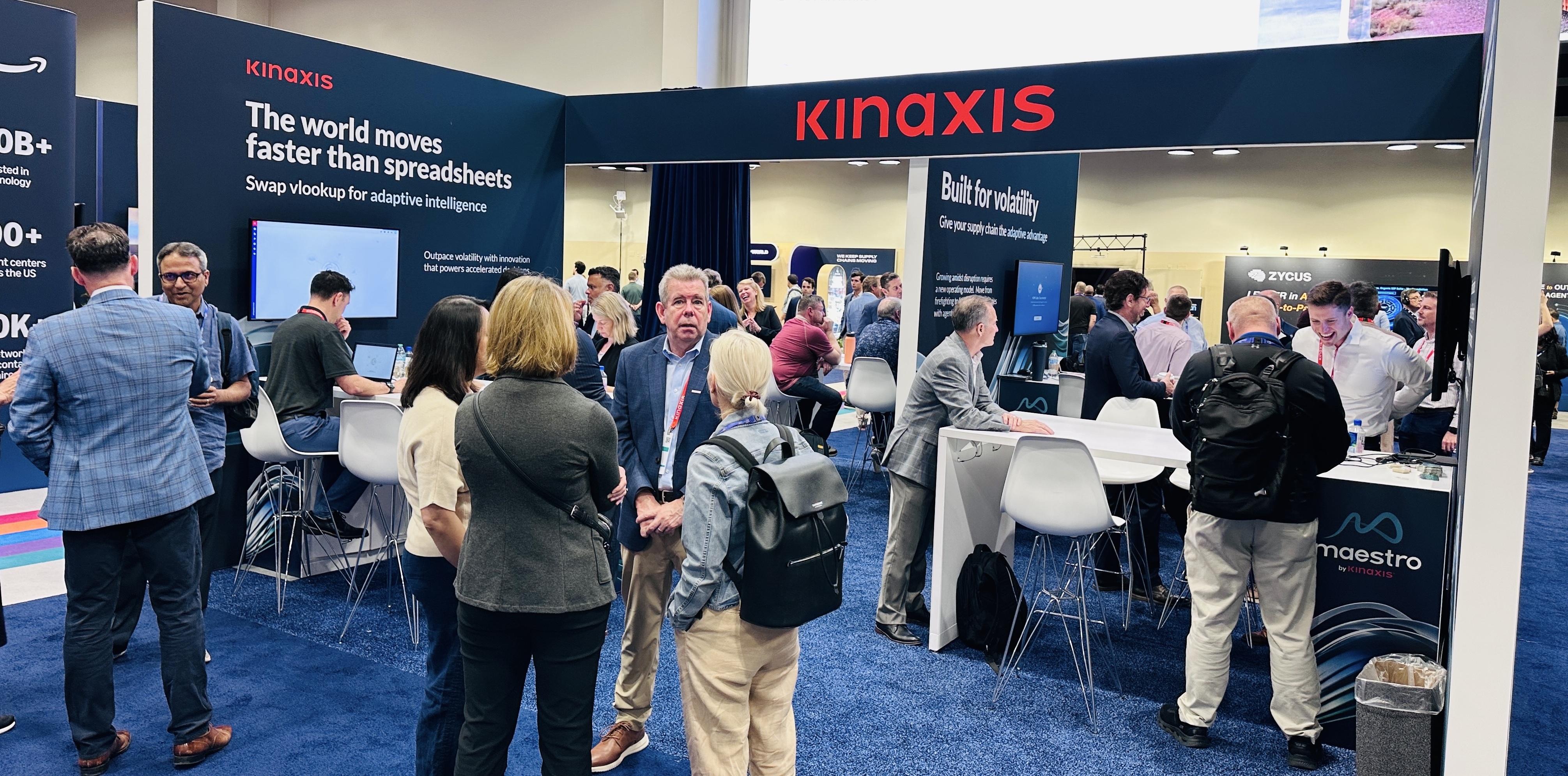
At the Kinaxis booth, that shift played out in real time with leaders comparing notes, challenging assumptions, and reflecting on the critical question: How do we turn all this available intelligence into action and outcomes?
AI is no longer the cutting edge of supply chain innovation. It’s the baseline.
Across sessions and side conversations, one theme stood out. AI has moved from optional to essential. Gartner reinforced this shift, highlighting AI as a top driver reshaping supply chain strategy. But what we heard on the floor added an important layer. Leaders aren’t struggling to adopt AI, they’re struggling to:
• Scale it
• Trust it
• Connect it to real decisions
Because proper adoption alone isn’t the end goal, better, faster decisions and outcomes are.
From planning to continuous decision making
One of the clearest takeaways this year was that static plans are giving way to continuous decision making. As shared during the Kinaxis customer panel, teams are moving from fixed plans to constant recalculation. They're shifting from asking, “What’s the plan?” to “What’s the next best decision?”
Gerry Hanrahan from Extreme Networks summed it up elegantly:
“We used to operate like MapQuest—a static plan. Now we need to operate like Google Maps—constantly recalculating.”
That shift is powerful. It means:
• Plans expire faster
• Assumptions change constantly
• Decision speed becomes a competitive advantage
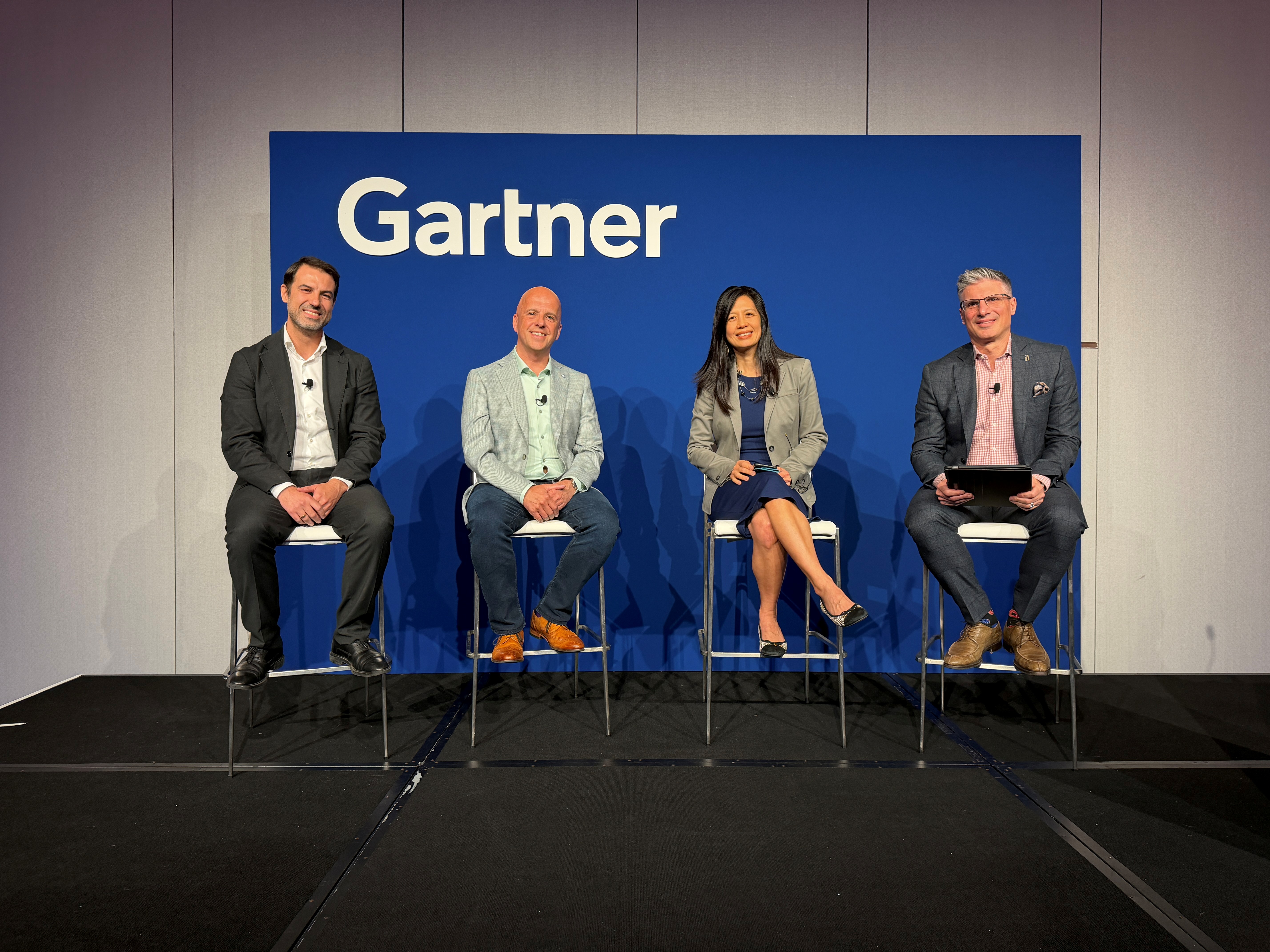
Scenario planning is now a daily capability
Scenario planning came up everywhere and not as a “nice-to-have.” It’s becoming part of how teams operate every day.
From the panel:
• Organizations are running multiple scenarios in parallel
• Evaluating financial and operational trade-offs in real time
• Aligning supply chain, finance, and commercial teams faster
And that’s the shift:
Planning is evolving into decision orchestration. The real challenge rests in turning decisions into action.
Here’s where things got more candid. Many organizations are improving decision making but still struggling to execute at the required speed. The reason? Some systems update in real time while others lag behind, and that disconnect slows execution. In today’s environment, a slow decision is risky. But a fast decision you can’t execute is equally harmful in lost value.
Agentic AI success still depends on people
For all the focus on AI, one message grounded the conversation: Technology isn’t the hardest part, people and systems are. Gartner highlighted ongoing gaps in AI readiness and adoption. As one panelist put it: Hesitation is the biggest risk in a volatile environment. Between discussions on tariffs, AI investments, and execution challenges, there’s a lot of pressure to deliver. But leaders aren’t looking for more dashboards. They’re looking for clarity, confidence, and the ability to act fast.
Gartner calls this a period of deep change. The organizations pulling ahead aren’t the ones with the most data. They’re the ones that can set themselves up to quickly turn data into signals, signals into strong decisions, and decisions into executable outcomes.
The question now isn’t whether your supply chain will transform, it’s whether it will move fast enough to keep up. At Gartner last week, it was clear that an agentic future isn’t up for debate anymore. It’s how organizations that set themselves up will separate the winners from the rest of the pack.
For more insights from Gartner, check out the latest Gartner Magic Quadrants.
We look forward to seeing you at Gartner Supply Chain Symposium/Xpo™ in Barcelona soon!